
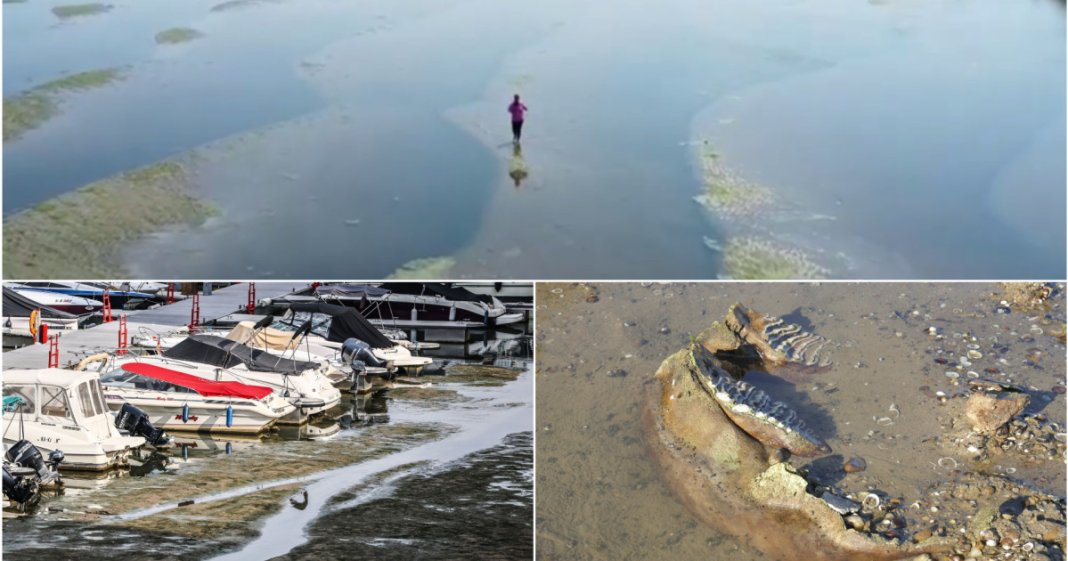

Effect of Drought on Rivers
The severe drought that has impacted Europe in recent months has had a significant effect on major rivers, including the Danube and the Rhine. Water levels have dropped dramatically, exposing dry riverbeds and diminishing the shipping capacity of these vital waterways. The Danube, which flows through several European countries, has recorded historically low levels, affecting not only the flora and fauna of the region but also the communities that rely on this river for drinking water and irrigation. Along the Rhine, the decrease in flow has resulted in the formation of sandbars that complicate navigation and impact regional trade. These extreme climate changes highlight the vulnerability of aquatic ecosystems and the urgent need for measures to protect water resources.
Consequences for Maritime Transport
The decline in water levels in the Danube and Rhine has had notable consequences for maritime transport, a crucial sector for the European economy. In such conditions, cargo ships are compelled to sail with reduced loads to avoid running aground on newly formed sandbars. This has led to increased shipping costs, as more trips are necessary to move the same amount of goods. Furthermore, delays caused by the need to find alternative routes or wait for water levels to rise have disrupted supply chains, affecting industry and commerce. Ports along these rivers are experiencing a decrease in activity, leading to significant economic losses and job reductions. Additionally, the transport of perishable goods and essential products is severely impacted, placing extra pressure on local and international markets. Maritime transport operators are searching for quick solutions to adapt vessels and optimize routes; however, challenges remain considerable in the face of a drought showing no signs of improvement.
Impact on Nuclear Power Plants
The extreme drought has also significantly affected nuclear power plants situated along the Danube and Rhine rivers. These plants, which rely heavily on water for cooling the reactors, are facing major difficulties due to the low water levels. Without sufficient water to ensure effective cooling, some plants have been forced to reduce energy production or even temporarily halt operations. This has put additional pressure on national energy grids, which are already faced with increased energy demands amid high temperatures. Furthermore, the shutdown or reduction of capacity at nuclear power plants leads to a rise in energy costs and may necessitate the use of alternative energy sources that are often more polluting or expensive. Authorities and plant operators are on high alert, continuously monitoring the situation to prevent any safety risks and ensure the continuity of energy supply. This situation underscores the vulnerability of energy infrastructure to climate change and the need for long-term adaptation strategies to ensure energy security.
Adaptation Measures and Solutions
In response to the current climate challenges, governments and international organizations have begun to implement a series of adaptation measures and solutions to combat the effects of drought on rivers and critical infrastructure. One of the primary initiatives focuses on improving water resource management through the development of more efficient monitoring and distribution systems. Advanced technologies, such as water level sensors and predictive models based on artificial intelligence, are being used to anticipate and respond more swiftly to fluctuations in water levels.
In the maritime transport sector, options for modernizing fleets are being explored, including the development of shallow-draft vessels that can operate efficiently even under low water conditions. Additionally, investments are being made in port infrastructure to facilitate adaptation to new hydrological conditions, such as constructing deeper docks and expanding loading and unloading capacities.
Regarding nuclear power plants, authorities are collaborating with experts to develop alternative cooling solutions, such as using water from underground sources or implementing technologies that reduce reliance on water. Simultaneously, there is encouragement for increased investment in renewable energy sources, such as solar and wind power, to diversify the energy mix and reduce vulnerability to climate change.
Beyond technical measures, there is also a concerted effort to educate and raise public awareness regarding the importance of water conservation and energy efficiency. Information campaigns and education programs are essential to promote responsible behavior among citizens and businesses. In this context, international cooperation is crucial, with riparian countries collaborating to develop strategies.
Sursa articol / foto: https://news.google.com/home?hl=ro&gl=RO&ceid=RO%3Aro