
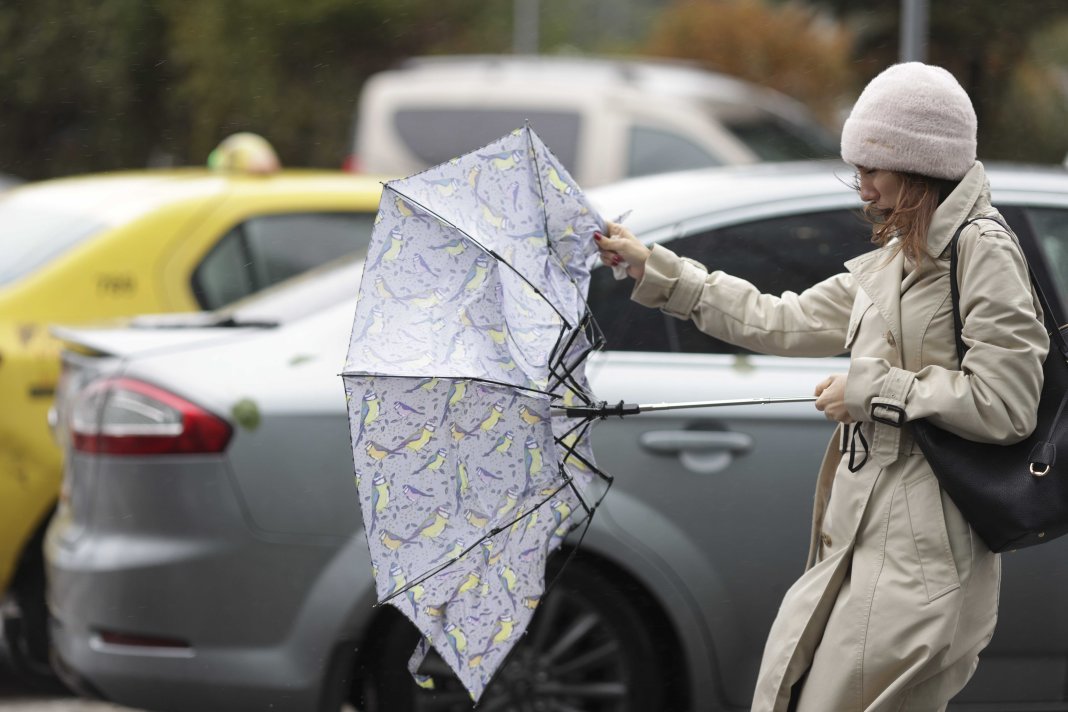

Influence of the Cold Wave on Health
The cold wave impacting Romania can have considerable effects on the health of the population. Low temperatures may lead to hypothermia, a dangerous condition in which the body loses heat faster than it can produce it, causing the body temperature to drop to a dangerously low level. Moreover, prolonged exposure to cold can exacerbate existing conditions such as cardiovascular and respiratory diseases, increasing the risk of complications. Elderly individuals and children are particularly vulnerable to the effects of the cold, making it advisable for them to avoid extended exposure and dress appropriately. Furthermore, extreme cold can cause frostbite, affecting the skin and underlying tissues. It is crucial for all citizens to be aware of the associated risks and take preventive measures to protect their health during this cold period.
Areas Most Affected by Rain
In light of the weather warning issued by ANM, certain regions of Romania are more susceptible to heavy rainfall that can cause floods and landslides. The western and northwestern regions of the country, such as Timiș, Arad, Bihor, and Satu Mare counties, are among the most affected due to specific geographic and climatic conditions. Additionally, mountainous and sub-Carpathian areas, like Hunedoara and Maramureș counties, frequently experience significant precipitation that can lead to rapid increases in river and stream flows, resulting in local flooding. In the south of the country, Mehedinți and Dolj counties are also at risk of torrential rains, which can impact infrastructure and local communities. Residents of these regions are advised to remain vigilant and monitor weather updates to take appropriate preventive measures.
Tips for Preparing Your Home
To prepare your home for the cold wave and heavy rains, it is essential to follow a few important steps. First, check the thermal insulation of your house. Ensure that all windows and doors are properly sealed to prevent heat loss. If necessary, use weatherstripping to seal any gaps where cold air could enter.
Inspect your heating system and ensure that it is functioning correctly. It is advisable to schedule an inspection and preventive maintenance of the heating boiler or stove to avoid breakdowns during critical cold periods. Additionally, it is useful to have alternative heating sources on hand, such as electric heaters or generators, in case of a power outage.
Regarding protection against rain, ensure that gutters and downspouts are cleared of leaves and other debris to allow efficient drainage of water from the roof. If you live in a flood-prone area, consider installing sump pumps in the basement or other vulnerable areas of the house.
Don’t forget to check and reinforce external structures such as fences and roofs to withstand strong winds and heavy precipitation. It is also advisable to have an emergency kit ready, which should include flashlights, batteries, drinking water, and non-perishable food, to handle any unforeseen situations caused by extreme weather conditions.
Recommendations for Drivers in Adverse Weather Conditions
Driving in unfavorable weather can be challenging, but with the right preparation and precautions, risks can be significantly reduced. First, drivers should ensure that their vehicles are properly equipped for winter conditions. This includes installing winter tires, which provide better traction on wet or icy roads, and checking the braking system to ensure optimal performance.
In addition to properly equipping the vehicle, it is essential for drivers to adapt their driving style to the weather conditions. It is recommended to maintain a greater distance between vehicles to have sufficient reaction time in case of sudden stops. Also, speed should be reduced, especially on slippery or snow-covered roads.
Visibility can be significantly reduced in rain or snow, so drivers need to use low beam headlights to be more visible to other traffic participants. The vehicle’s ventilation and defrosting system should be functional to keep windows clear and ensure optimal visibility.
If weather conditions become extreme, it is wiser to postpone non-urgent trips. If you find yourself caught in a storm or on a snow-blocked road, it is important to stay in the vehicle and wait for help from the authorities, thereby avoiding exposure to extreme cold.
Lastly, drivers should always have an emergency kit in the vehicle that includes flashlights, blankets, water, non-perishable food, and a mobile phone charger, to be prepared for any unexpected situations.
Sursa articol / foto: https://news.google.com/home?hl=ro&gl=RO&ceid=RO%3Aro